
Once you’ve decided to exhibit, you’ll come across two main types of stand: modular and custom. They’re built differently, they cost differently, and they suit different businesses. This guide explains the difference in plain terms so you can pick the right one.
What is a modular stand?
A modular stand is built from a system of reusable parts. Think of it like a kit that can be assembled in different ways. The same components can be arranged to make different shapes and sizes, then taken apart and reconfigured for the next show.
Because the parts are reusable and the system is standardised, modular stands are quicker to design and often cheaper. You’re working within a flexible system rather than building everything from scratch.
What is a custom stand?
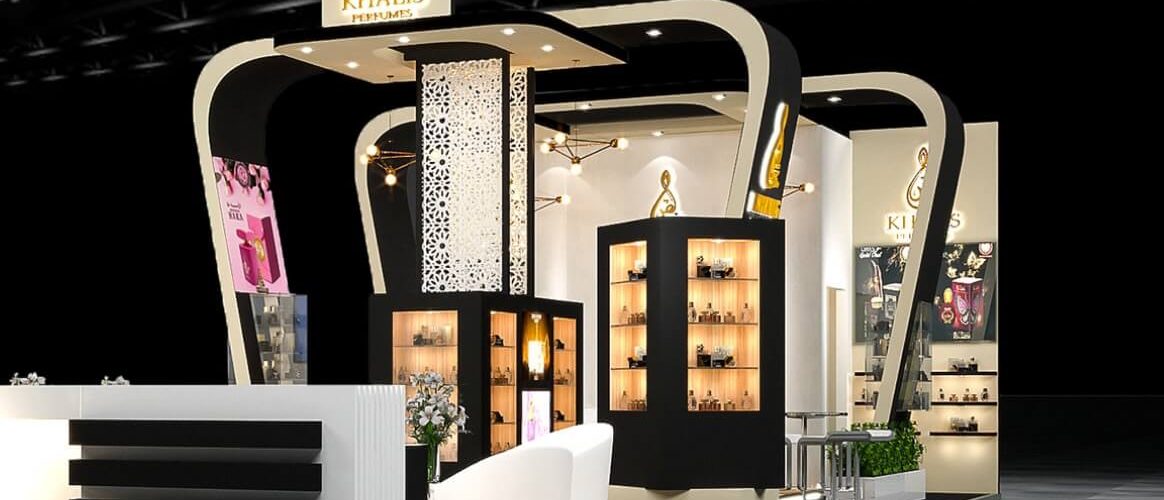
A custom stand is designed and built specifically for you. It’s not based on a kit. Everything, the structure, the layout, the finishes, is created around your brand and your goals.
This gives you complete freedom. If you can picture it, it can usually be built. The trade off is that custom stands cost more and take longer to produce, because you’re paying for something made just for you.
Comparing the two
Here’s how they stack up on the things that matter.
Cost. Modular is generally more affordable. Custom costs more because it’s built from scratch. If budget is your main concern, modular is the natural starting point.
Flexibility between shows. Modular wins here. The same system adapts to different venues and floor sizes, so it works well if your stand size changes from show to show. A custom stand is built for a specific setup.
Design freedom. Custom wins. A modular system is flexible, but it works within limits. A custom stand has no such limits. If you want something unusual, a distinctive shape, a bold feature, a specific experience, custom gives you that.
Impact. Custom stands tend to make a bigger statement, because they’re designed to. That said, a well designed modular stand can look excellent. Modular doesn’t mean basic. It’s about how it’s designed and finished, not just the system underneath.
Speed. Modular is usually faster to turn around, which matters if your show is close. Custom needs more lead time.
Which one suits you?
There’s no universally right answer. It depends on your situation.
Modular is a good fit if you’re watching your budget, you exhibit at different sized spaces, you want something reusable, or you’re working to a tighter timeline. It’s a smart, practical choice for a lot of exhibitors, especially those who show regularly and want value over the long run.
Custom is a good fit if you want maximum impact, you have a specific vision, you’re launching something important, or standing out is critical to your goals. If the stand needs to turn heads and reflect an established brand, custom earns its cost.
Plenty of businesses start with modular and move to custom as they exhibit more and their budget grows. There’s nothing wrong with starting practical and scaling up.
It’s not always either or
The line between the two isn’t as hard as it sounds. A good modular stand, designed well and finished properly, can deliver a lot of the impact of a custom build at a lower cost. And some stands blend elements of both. The right approach is less about picking a label and more about matching the stand to your budget, your goals and how often you’ll use it.
That’s the conversation worth having before you commit. The wrong choice isn’t modular or custom in the abstract. It’s spending on custom when modular would have done the job, or forcing a modular system to do something it was never built for.
Not sure which way to go?
If you’re weighing up modular against custom, the useful next step is talking it through with someone who builds both and has no reason to push you toward the pricier option. We’ll look at your budget, your show and your goals, and tell you which genuinely fits. Reach out to Exhibition Stand Hire and we’ll give you a straight recommendation, along with a 3D visual so you can see it before you decide.