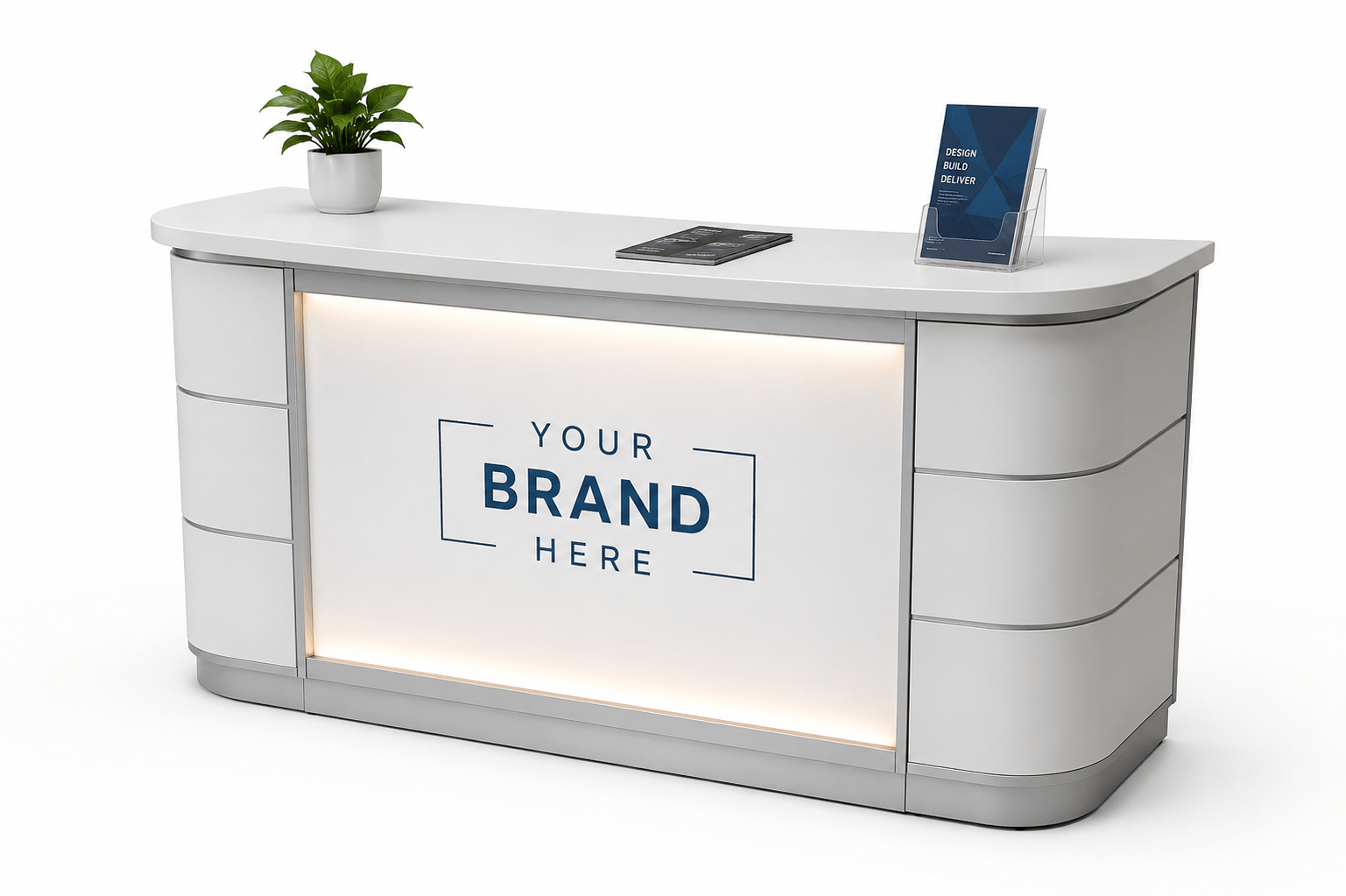
One of the first decisions you make when you exhibit is how much floor space to book. It sounds simple, but it affects your budget, your design and how many people you can talk to at once. Book too little and your stand feels cramped. Book too much and you’re paying for space you can’t fill.This guide runs through the common stand sizes and who each one suits. There’s no single right answer. It depends on your show, your budget and what you want to get out of it.How stand sizes workExhibition space is usually measured in square metres and described by its dimensions. So a 3×2 stand is three metres wide and two metres deep, giving you six square metres. A 6×3 is eighteen square metres, and so on.Bigger isn’t automatically better. A small stand that’s well designed will always beat a large one that’s half empty. What matters is matching the size to your goals and then using the space well.3×2: compact and affordableA 3×2 is one of the smallest stand sizes and a common starting point for first time exhibitors. It’s affordable and easy to manage, and it’s plenty for a smaller trade show where you want a professional presence without a big spend.You won’t fit a meeting area or a big product display, but you can still make an impact. Clear graphics, some lighting and a tidy layout go a long way. Think of it as a place to catch attention, hand over information and start conversations. If you’re testing whether a show is worth it, this is a sensible size to start with.3×3: room to engageA 3×3 gives you nine square metres, and that extra depth changes what you can do. You get room for a small demonstration area, a place to talk to visitors, or an informal spot to sit down with a prospect.It’s still cost effective, but it feels more open and less crowded than a 3×2 when you’ve got a couple of staff on the stand. For a lot of businesses, this is the sweet spot. Enough room to work properly, without the cost of a large build.6×3: a stronger statementAt eighteen square metres, a 6×3 gives you real flexibility. You’ve got space for larger graphics, digital screens, a proper product display and a hospitality area where you can sit visitors down.This size suits businesses that exhibit to generate serious leads and want the stand to reflect that. It reads as an established brand rather than a first timer testing the water. It costs more, so it makes sense when you know the show is worth it and you want to make the most of being there.Island stands: maximum visibilityAn island stand is open on all four sides, with no neighbouring stands walling you in. That gives you visibility from every direction and the most prominent position on the floor.Islands work for bigger brands, or for businesses running a major launch where standing out is the whole point. They give you the most design freedom, but they also cost the most and need careful planning so that all four sides work. If you’re considering one, it’s worth talking through the layout early.Double deck stands: building upwardsA double deck stand adds a second level. You use the upper floor for meetings, hospitality or private conversations, while the ground floor stays open for visitors.This is the option for large floor spaces where you want to get more out of every square metre. It’s a significant build and a significant budget, so it suits established exhibitors with a clear reason to go big. For most businesses, it’s more than they need, but it’s worth knowing it exists.How to choose the right sizeStart with what you want to achieve. If you just want a presence and some leads at a smaller show, a 3×2 or 3×3 does the job. If you’re chasing serious business and want room to host people, look at a 6×3 or larger. If standing out is critical, an island or double deck makes sense, budget permitting.Then think about staffing. A stand needs enough people to cover it without feeling crowded or empty. A large stand with one person on it looks worse than a small stand that’s busy.And be honest about budget. It’s better to have a smaller stand done well than a bigger one you can’t afford to design properly. The size of the space matters less than what you do with it.Not sure which size fits?If you’re weighing up your options, that’s normal. The right size depends on your show, your goals and your budget, and it helps to talk it through with someone who’s seen what works.
Tell us the show you’re attending and what you want to get out of it. At Exhibition Stand Hire, we’ll suggest a size and a layout that make the best use of your space and your budget, and we’ll show you a 3D visual before anything gets built. Get in touch for a free proposal with no obligation.